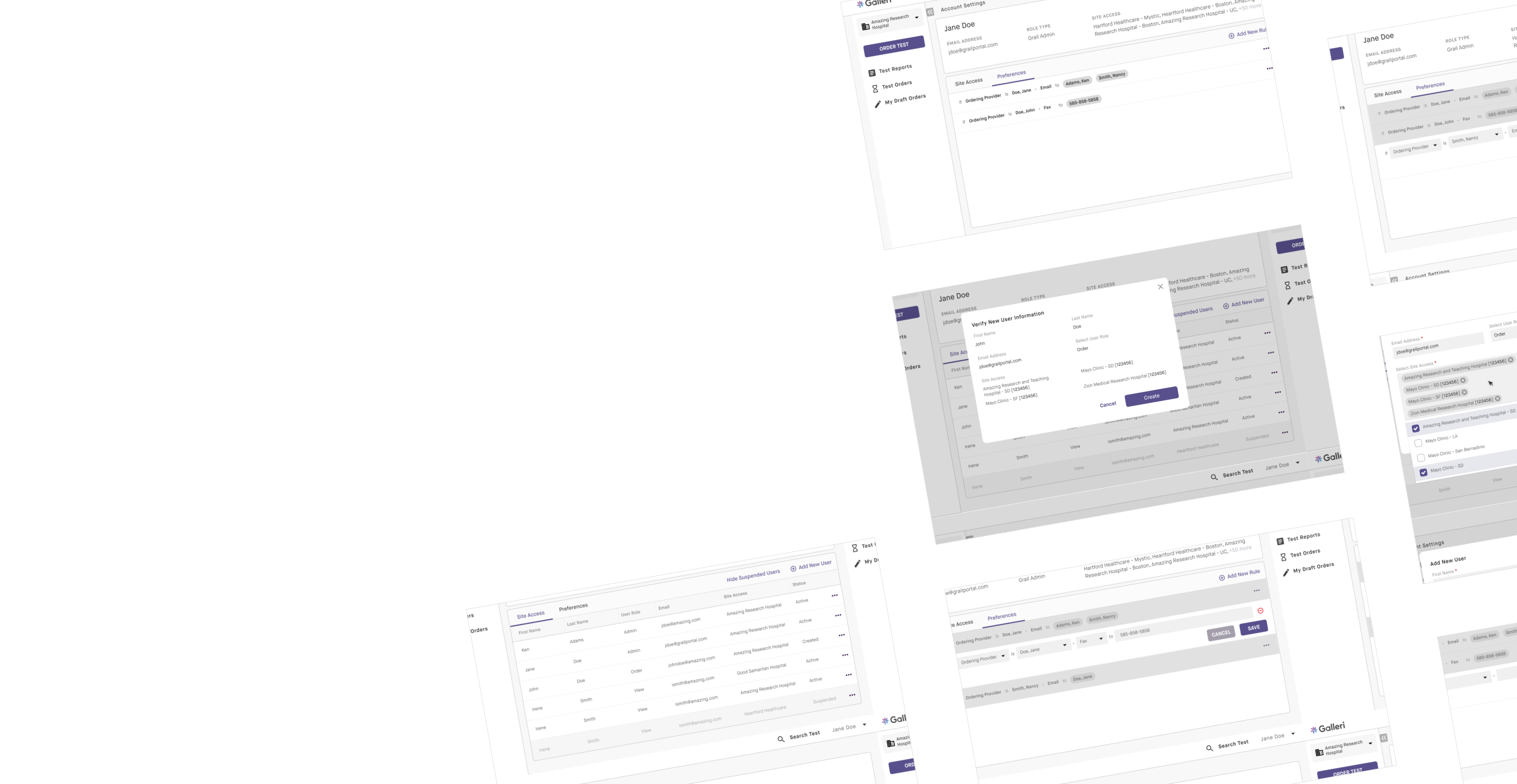
GRAIL's provider teams were managing clinical orders through a fragmented mix of fax, email, and manual data entry. This project replaced that workflow with a centralized real-time portal that gave providers full visibility into order status, specimen logistics, and results — while eliminating the manual correction loop that had been consuming ops resources.
Replacing a fax-based system with a real-time clinical operations platform
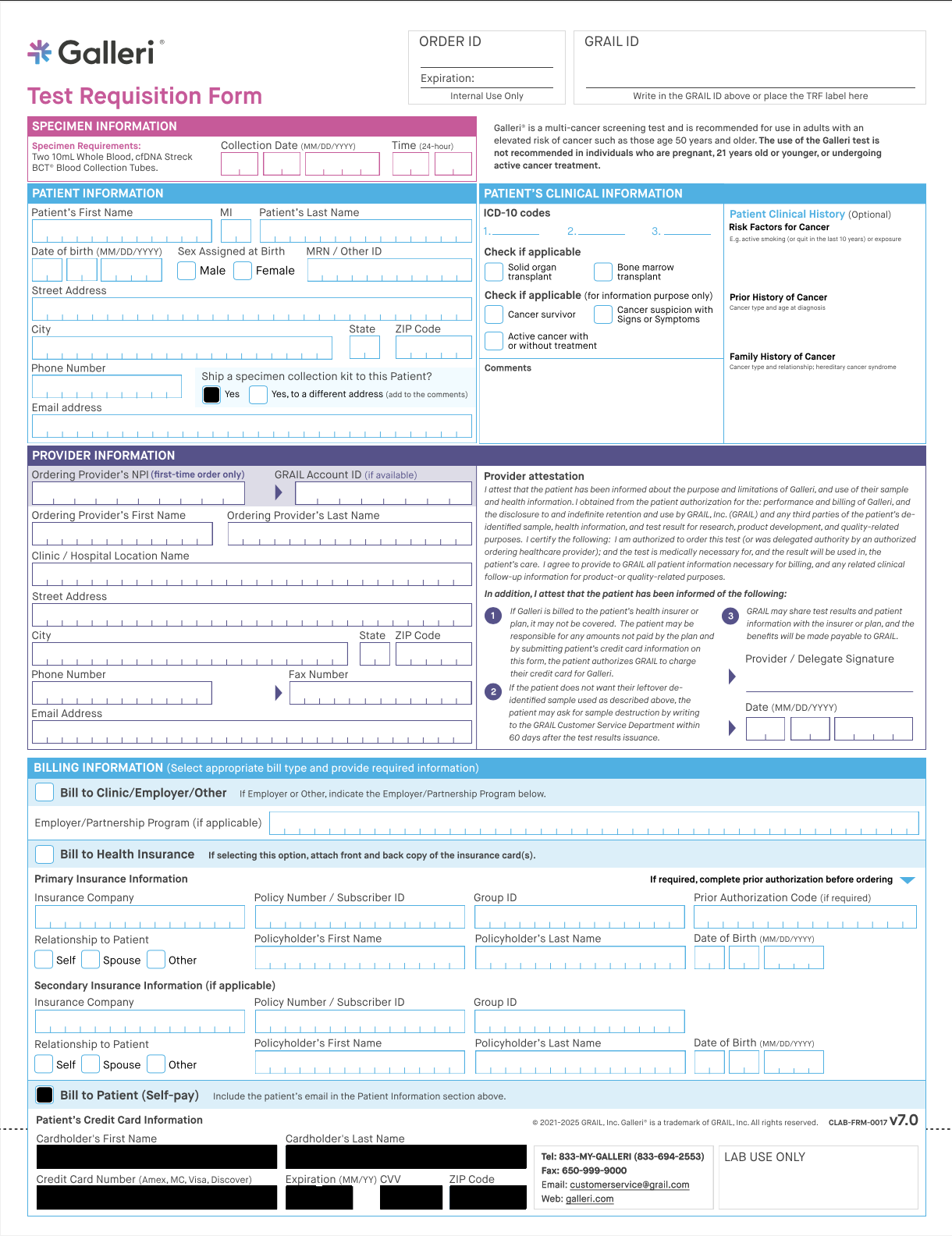
Healthcare provider organizations ordering Galleri tests were relying on fax and phone to submit orders, check status, and resolve issues. GRAIL's ops team was spending significant time manually entering and correcting these submissions and providers had no visibility into what happened after they sent a fax.
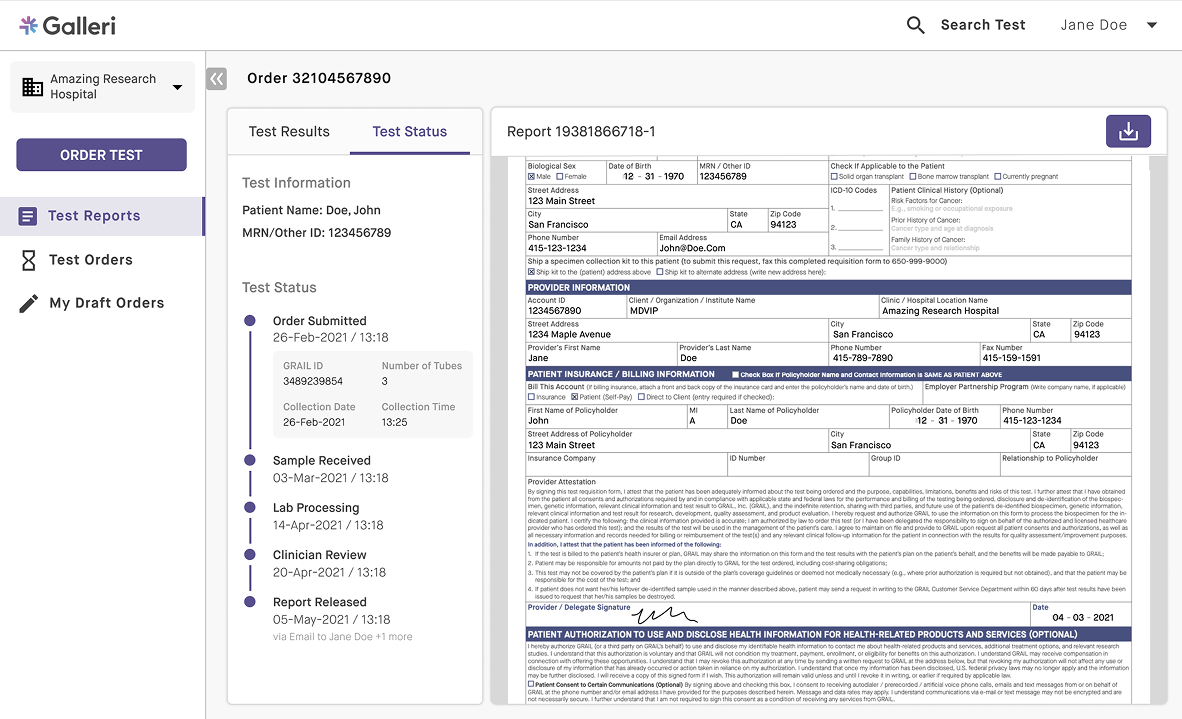
The real-time Provider Portal was designed to give providers a self-service interface that handled the full order lifecycle digitally, with live status tracking and automated validation.
- Fax process was slow, manual, and error-prone
- Very manual process to resolve errors
- 85% of faxed forms had errors and required a follow up
- Average of 3-5 days from fax to confirmed order
The problems we faced was clear that scalability was the key issue of this manual process both internally and externally. We needed a scalable way for providers to submit eligible prescriptions directly into our lab system.
What we expected vs. what we found
At first, the solution seemed obvious: Build a digital version of the paper requisition form. We conducted research sessions with our user base, providers, nurses, and practice admins, to understand how they currently handled submissions and results and if our hypothesis was the right direction.
Three design decisions that drove outcomes
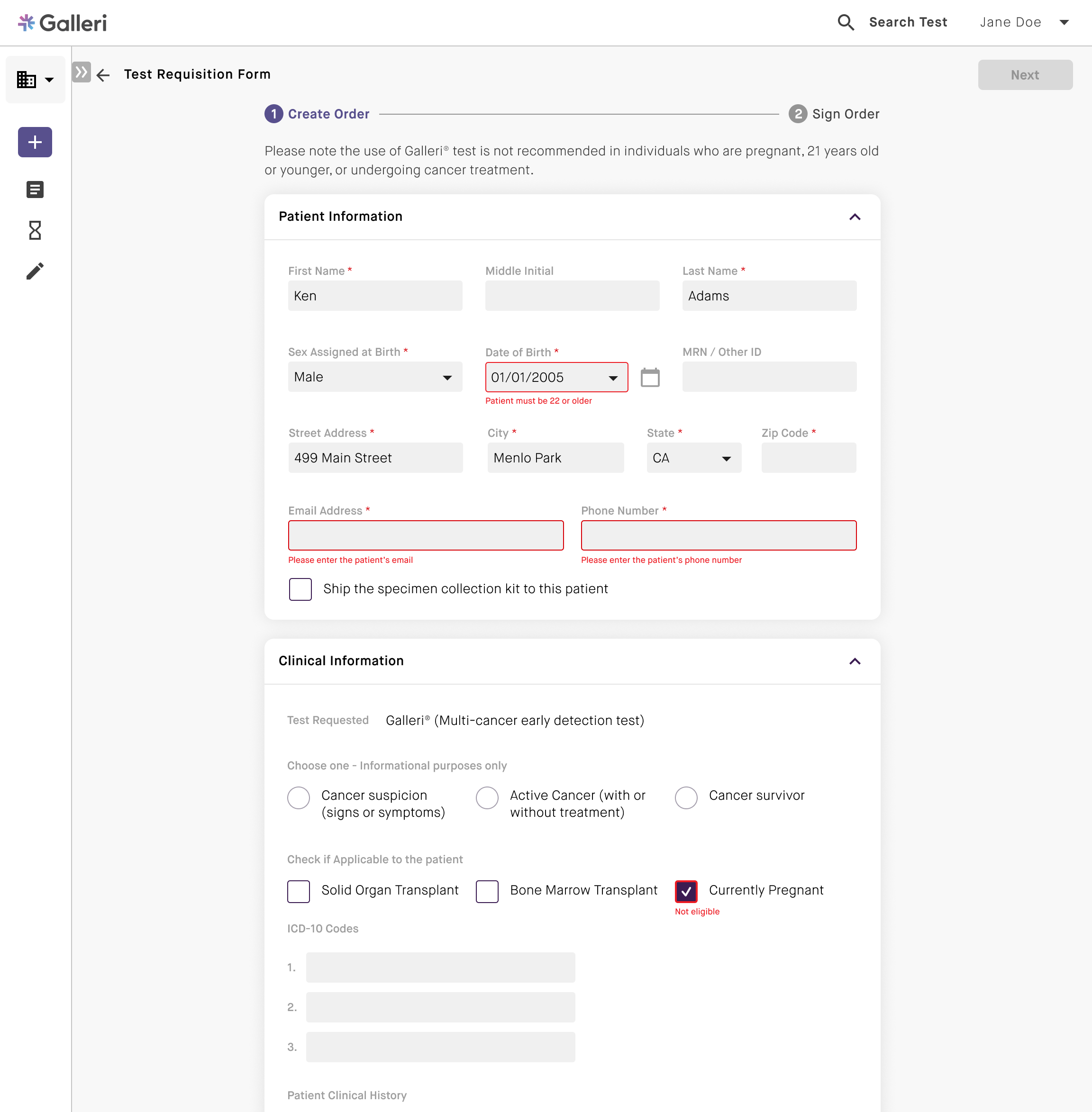
Real time form validation
The fax was open to incomplete and incorrectly filled out fields. The digital form in the portal were created with specific validations in mind. For example, we learned that about 85% of faxes were missing the patient's email address. Providers did not know that field is a hard requirement on GRAIL's end to start processing the order. The email address field was created with email validation APIs to ensure the validity and format of the inputs.
Not only did these validations effectively eliminate incomplete or incorrectly filled out forms, but they also lifted the burden of manual re-entry of information and manual error correction workflows for our internal team. The digital form placed the responsibility of checking the information to the portal user rather than our internal team who are not really part of the process.
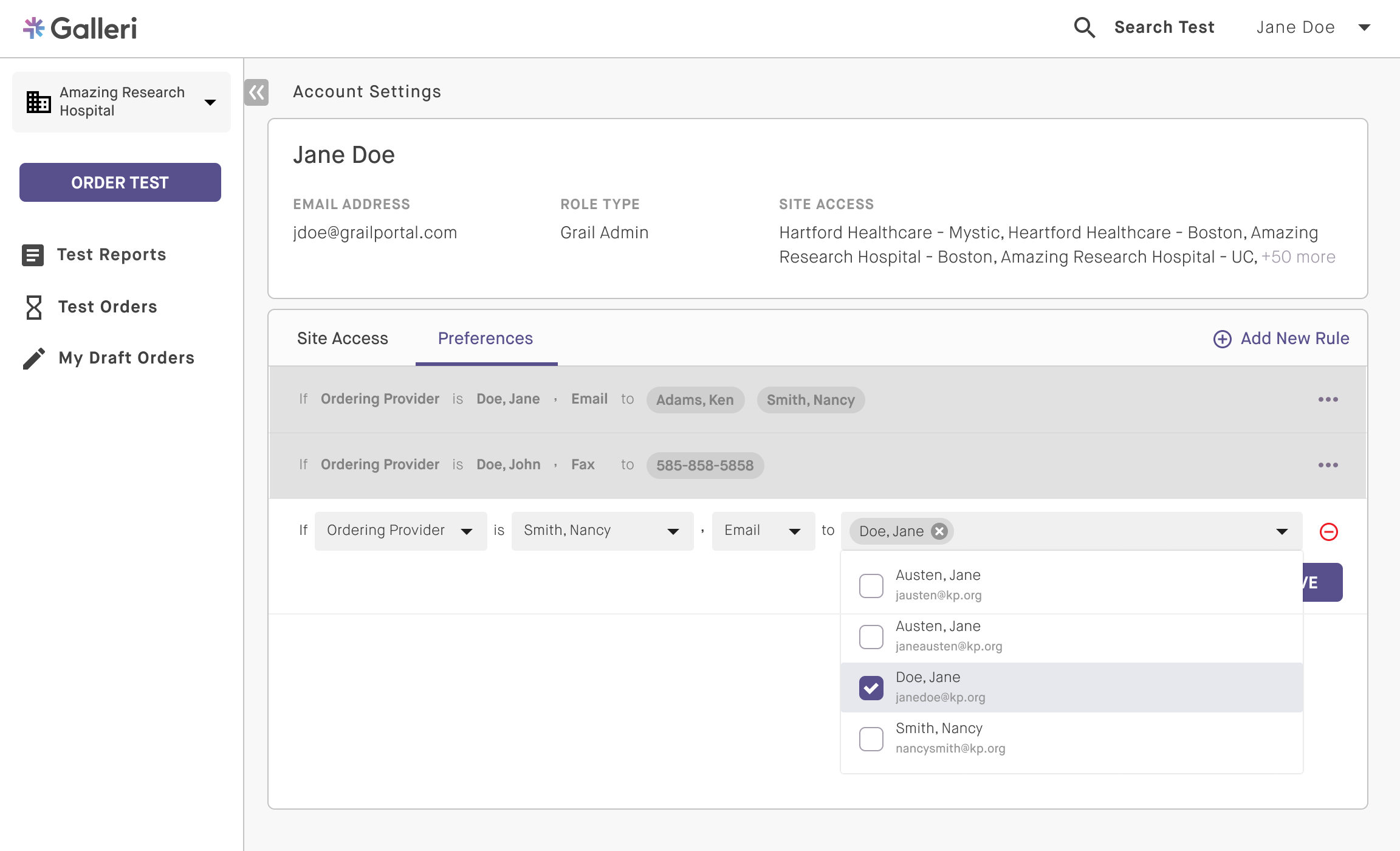
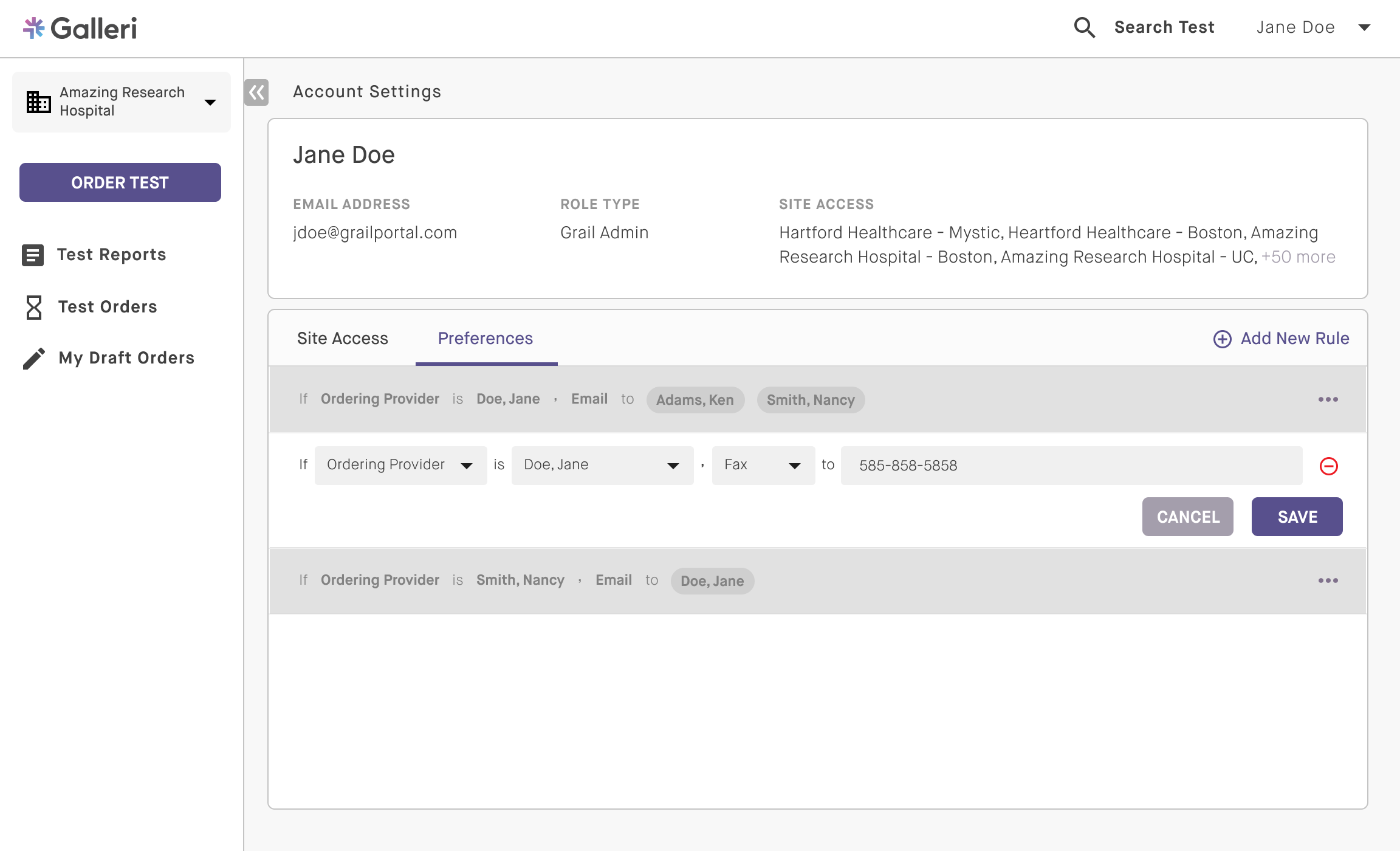
Role-based access & scope based notifications
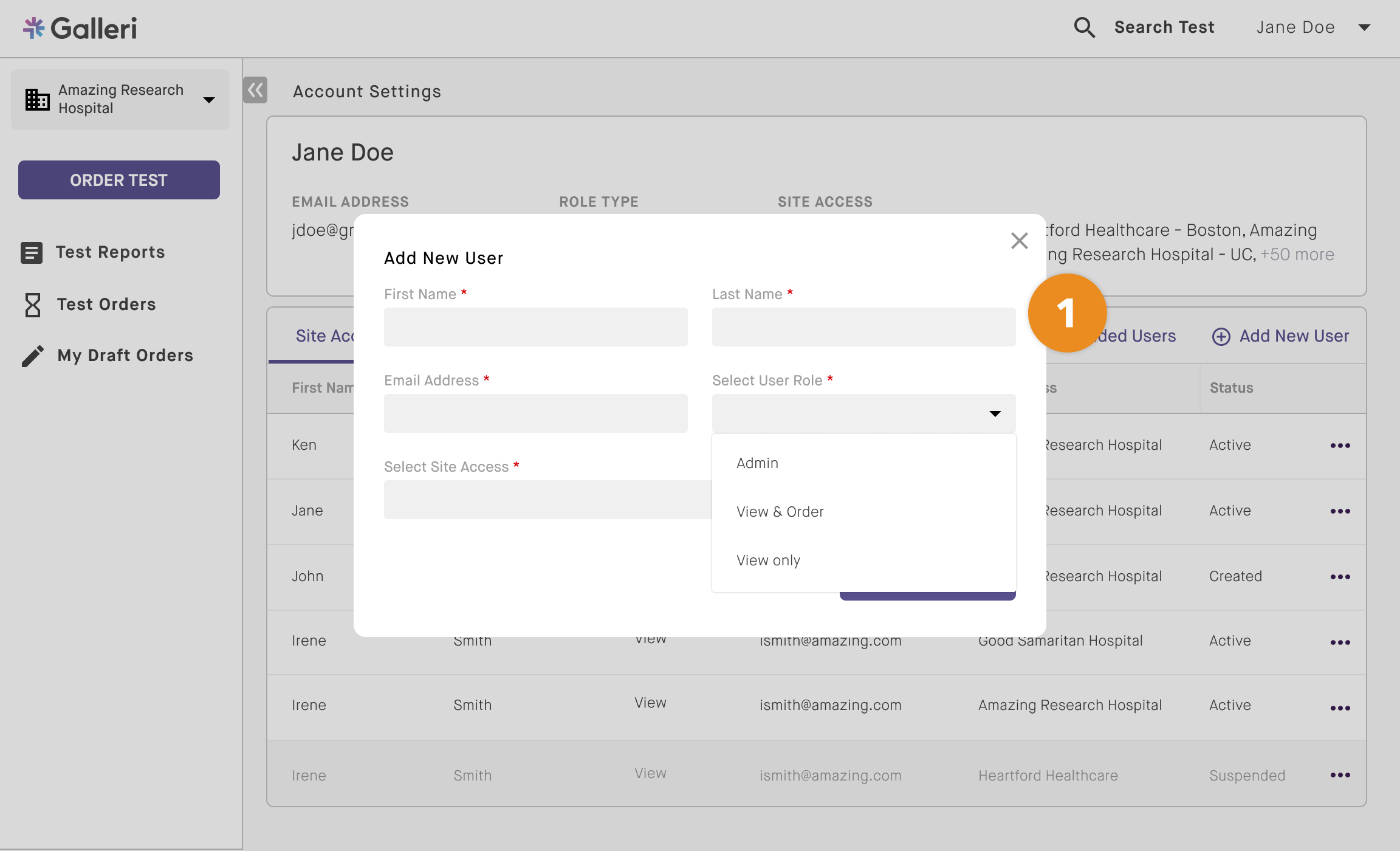
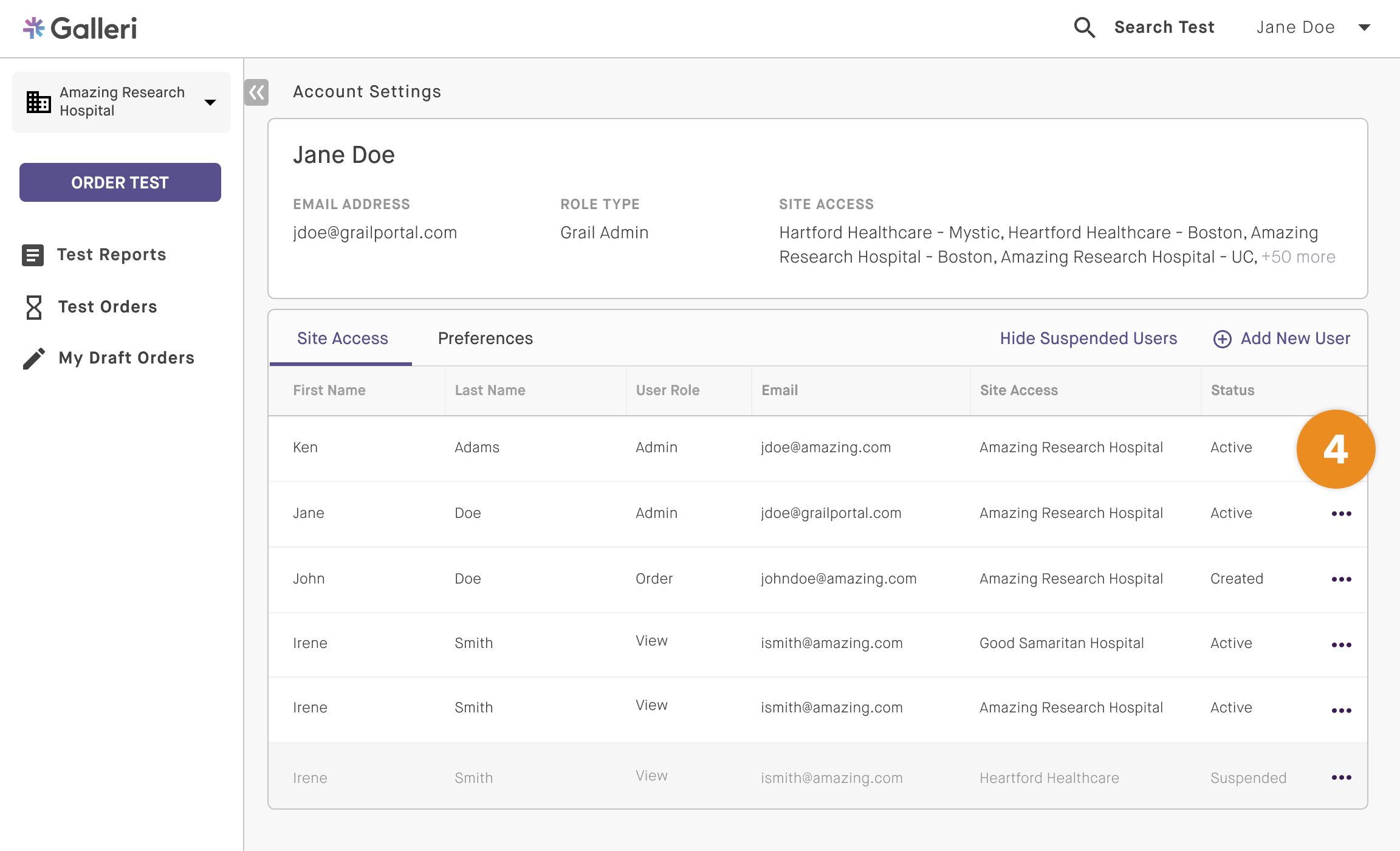
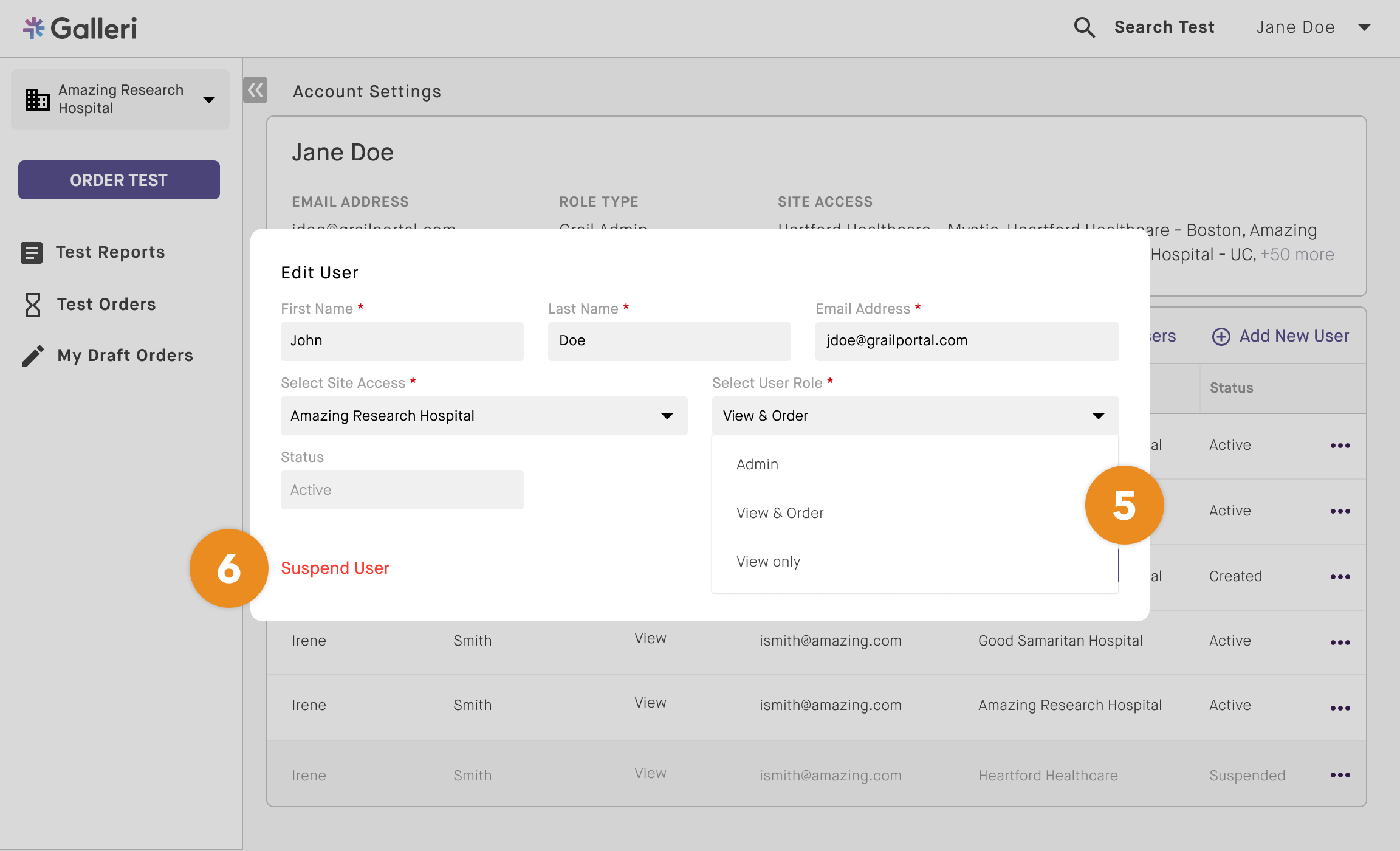
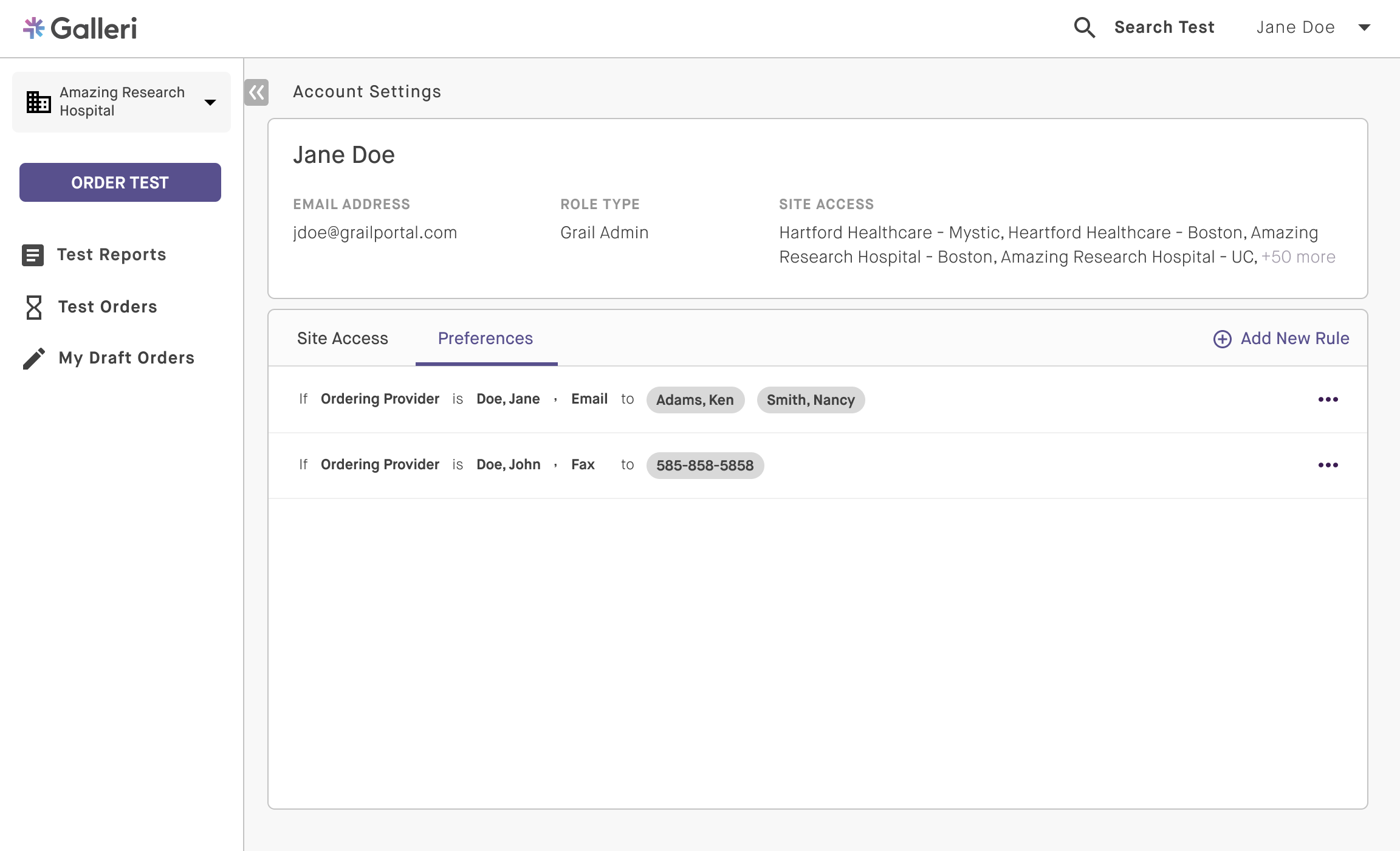
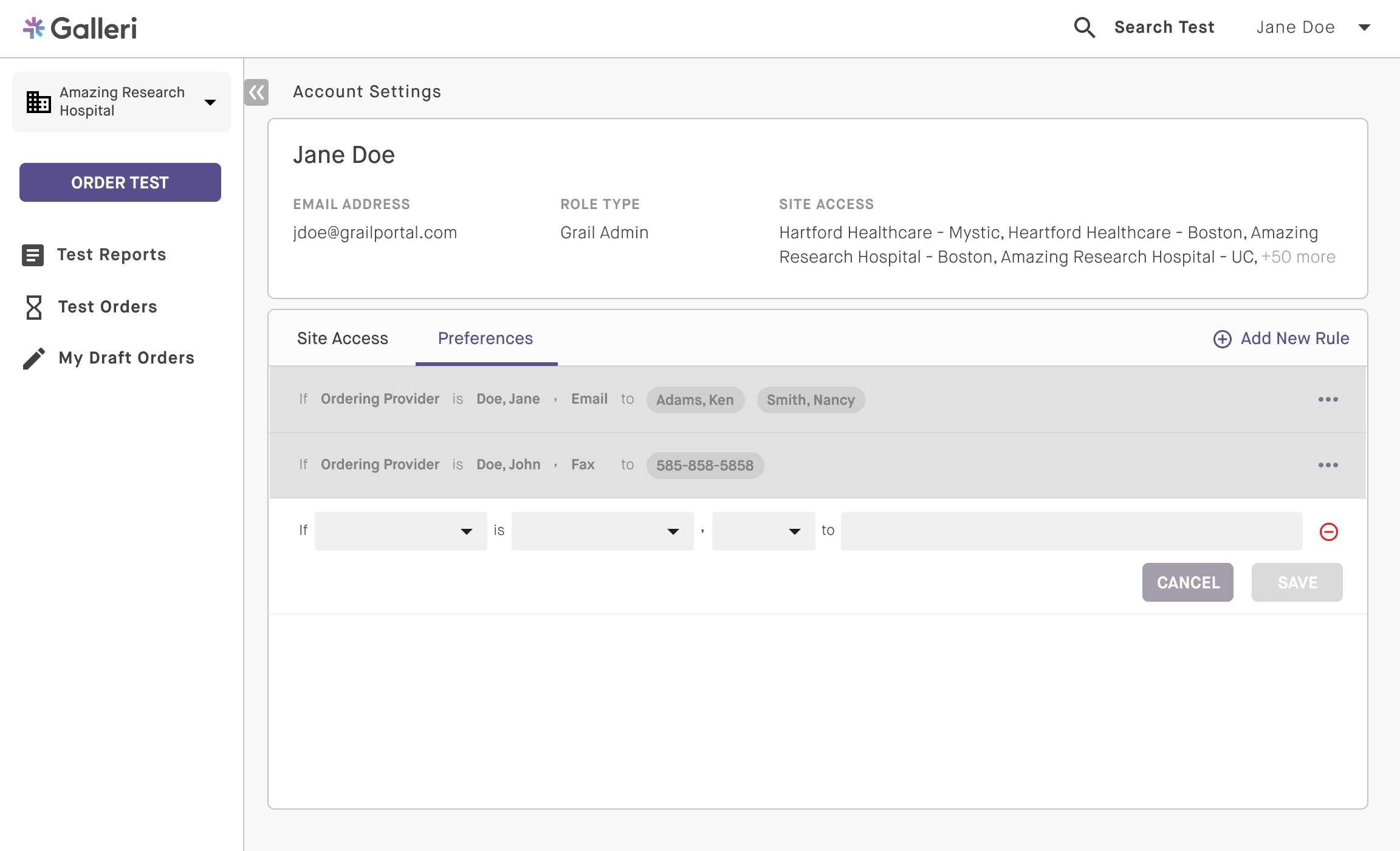
To be compliant under digital HIPAA law and regulations, we made sure to fully flesh out the complexities surrounding access controls and scoped notifications.
This was crucial in preventing data overexposure while keeping workflows simple. Below you can see the workflow of access control.


Streamlining API Connections
Larger provider organizations wanted to connect their existing EHR systems directly to GRAIL's order management system via API. We designed a configuration that allowed admins to map their EHR fields to GRAIL's order schema.
What this project taught me about B2B healthcare design
The most important lesson from the Provider Portal was that workflow trust matters more than feature completeness. Providers didn't need every capability on day one. They needed to trust that the system was accurate, that their submissions weren't falling into a void, and that when something went wrong they'd know immediately and know how to fix it.
Designing the inline validation layer was technically straightforward, but getting the error copy right, specific, non-blaming, actionable, required more iteration than any other design element on the page. Clinical staff are time-pressured and error-averse. Every message had to feel like a helpful guide, not a system rejection.
I also learned that role-based access in B2B platforms is often under-designed. Most tools treat it as a permissions matrix buried in settings. We surfaced it as a first-class onboarding step.